
Behind on Property Taxes
If you are behind on property taxes, the first thing worth knowing is that you can still sell. Owing back taxes does not freeze your property or take away your right to sell it. The taxes get paid out of the sale at closing, and you are not the one writing the check.
The second thing worth knowing is that waiting is the expensive part. Texas delinquent taxes grow fast, and the clock does not care whether the land is sitting empty in a county you have not visited in years.
Texas property taxes are due January 31. On February 1 the account goes delinquent and a penalty plus interest starts, and it climbs every month it stays unpaid. Then on July 1 the taxing unit typically turns the account over to a delinquent tax law firm, and an additional collection fee of up to 20 percent is added on top of everything else.
That is why a bill someone ignored for a couple of years is so much larger than they expect. It is not just the tax. It is the tax, the penalty, the monthly interest, and the attorney fee, on each year that went unpaid.
A tax lien attaches to the property on January 1 of each year, and it stays with the land, not with you personally. That is important for two reasons. It means the county can eventually foreclose on the property itself, and it means the lien has to be cleared when the property changes hands, which is exactly what closing takes care of.
Eventually a taxing unit can file suit to foreclose the tax lien. If that judgment is granted, the property is posted and sold at a tax sale, held on the first Tuesday of the month at the county courthouse.
Even after a suit is filed, there is usually still room to sell. These cases take months, and a sale that pays the county in full stops the process. The window closes at the tax sale itself, so the earlier you deal with it, the more choices you have.
If a tax sale has already happened, Texas gives a right of redemption. For a residential homestead or land in agricultural use, the redemption period is two years. For most other property it is 180 days. Redeeming means paying the buyer what they paid plus a redemption premium set by state law, which is why acting fast matters. If you are in this situation, call a Texas attorney this week, not next month.
This is the part that surprises people, and it is the simplest part of the whole thing.
You do not pay anything up front, you do not catch the taxes up first, and we cover the closing costs. If you owe more than the property is worth, tell us anyway. Sometimes it still works, and if it does not, we will tell you straight rather than string you along.
Many Texas county tax offices will set up an installment agreement on delinquent taxes, and owners who are 65 or older or disabled may qualify for quarter payments or a deferral affidavit on a homestead. Those are worth a call to the tax office. They mostly help with a home you live in, though. For bare land in another county, the bill just keeps arriving every October.
People sometimes assume back taxes make a property worthless to a buyer. They do not. The taxes are just a number that comes off the top, the same way a mortgage payoff would. What actually drives the offer is the land itself.
You do not have to research any of this. Give us the county and a rough acreage, and we will pull it.
An agent can sell land with back taxes, but the timeline is the problem. Rural land often sits for months, buyers who need financing fall through, and a commission comes off the top at the end. Meanwhile the interest and fees keep stacking.
We buy directly with our own funds. As is, no cleanup, no survey required from you, no repairs, no commissions, and we pay the closing costs. We are a local East Texas family, not a national call center, and we have been doing this since 1993.
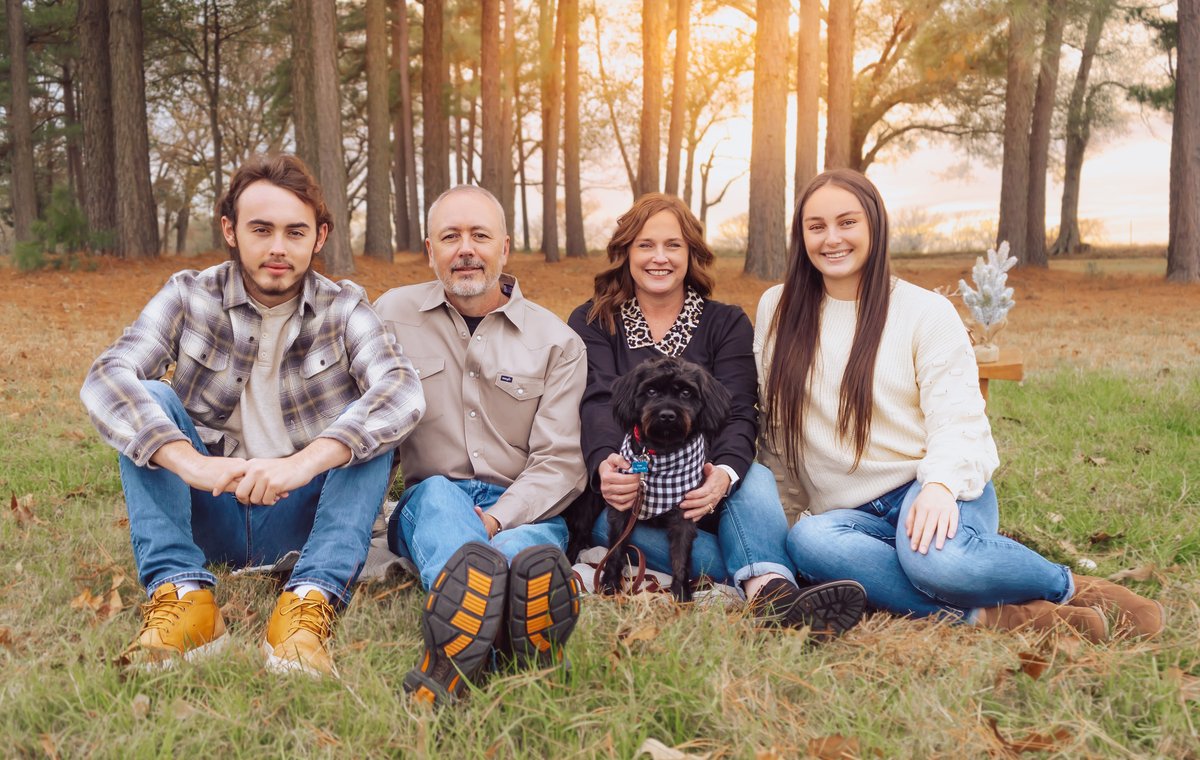
Cole, Greg, Lori, Hannah, and Ryder 🐾
You Deal Directly With Us
Cohan Properties is owned and run by a local East Texas family. We bought our first property in 1993 and formed Cohan Properties LLC in 2004. We are not agents, and we are not a faceless national company.
Nobody enjoys talking about money they owe. We are not here to judge anyone, and this is a normal situation we handle all the time. Every offer and every decision comes from us, and we stand behind it.
Common Questions
Yes. Owing back taxes does not stop a sale. The title company gets an exact payoff from the county and pays the taxing units out of the sale proceeds at closing. You do not have to catch the taxes up first.
No. They come out of the sale at closing. If the amount owed is less than what the property sells for, you still walk away with money. We also pay the closing costs.
Usually not. A delinquent tax suit takes time, and property can often still be sold and the taxes paid off before the foreclosure sale date. The sooner you call, the more room there is. Once the property is sold at a tax sale, your options narrow to redemption.
Quickly. Taxes are due January 31 and go delinquent February 1 with a penalty plus interest that climbs every month. On July 1 an additional collection fee of up to 20 percent is typically added when the account goes to a delinquent tax attorney.
Texas gives a right of redemption. For a residential homestead or land in agricultural use it is two years, and for other property it is 180 days. Redeeming requires paying the buyer what they paid plus a redemption premium set by statute. Talk to an attorney quickly, because the deadlines are firm.
Yes, and we will tell you about them. Many Texas counties offer installment agreements. Owners who are 65 or older or disabled may qualify for quarterly payments or a deferral affidavit that postpones collection on a homestead. Selling is one option, not the only one.
This page is general information about how these sales usually work in Texas, not legal or tax advice. Penalty and fee amounts are set by statute and by your taxing units, so confirm your own figures with the county tax office or an attorney. Here is how to check that we are real
Takes about a minute. No obligation, no pressure.
Behind on property taxes
Tell us the county and roughly how much land it is. We will look up the tax records, tell you what is really owed, and make a fair cash offer that pays it off at closing. No pressure and no obligation.
Get Your Cash Offer